Amarjit S. Basra
See book keywords and concepts |
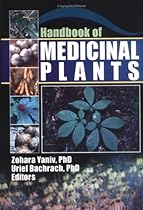 Dunal (Solanaceae) is sometimes known as Indian ginseng or ashwagandha and is an important plant in ayurvedic medicine which is used for a variety of purposes, including debility.25 It has less of a stimulant effect than ginseng and often is observed to have a mild sedative activity. The root is most frequently used, although other parts of the plant are mentioned in the literature.
The major compounds of interest are unusual steroid derivatives known as withanolides, which occur as the free compounds, for example, withaferin A or as glycosides (see Figure 17.22). Dunal (Solanaceae) is sometimes known as Indian ginseng or ashwagandha and is an important plant in ayurvedic medicine which is used for a variety of purposes, including debility.25 It has less of a stimulant effect than ginseng and often is observed to have a mild sedative activity. The root is most frequently used, although other parts of the plant are mentioned in the literature.
The major compounds of interest are unusual steroid derivatives known as withanolides, which occur as the free compounds, for example, withaferin A or as glycosides (see Figure 17.22). |
| Jambul (Sygyium cumini) has a long been used in ayurvedic medicine, but there are no satisfactory clinical studies. Gymnema (Gym-nema sylvestre) is another plant that has extensive animal studies but no good human studies. Long-term evaluation has suggested an effect both on sugar and cholesterol levels.9
Diabetes in Europe was relatively uncommon in the past but has now become a major problem. The most useful medication for treating diabetes in the obese is the biguanide metformin. This drug has been developed from a commonly used herbal remedy: goat's rue (Galega officinalis). |
| Gymnema has also been used in ayurvedic medicine as a means of reducing appetite and losing weight. Some animal experiments suggest benefit, but no human studies have been conducted. A South African cactus Hoodia annulata has traditionally been used by the Kalahari bushmen to suppress appetite when food is short. This plant will soon be studied in a clinical trial as a weight loss aid.
Other nonproven herbal remedies include guarana (Paullinia cupana) with its high caffeine content, bladderwrack (Fucus vesiculosus) with its high iodine content, and chili (Capsicum annuum). |
Kelly Harford, M.C., C.N.C.
See book keywords and concepts |
 It is especially beneficial to the female reproductive system. In ayurvedic medicine it used abundantly when nursing post-partum women back to health. It is also known to prevent diabetes and cancer, as well as providing relief from arthritis and skin ailments.
• Be careful when handling turmeric - it will permanently stain virtually everything! Wash the stain immediately and put it out in the sun.
• Store lemon juice in glass jar in refrigerator and use for master cleanse drink the next tips & tidbits morning. It is especially beneficial to the female reproductive system. In ayurvedic medicine it used abundantly when nursing post-partum women back to health. It is also known to prevent diabetes and cancer, as well as providing relief from arthritis and skin ailments.
• Be careful when handling turmeric - it will permanently stain virtually everything! Wash the stain immediately and put it out in the sun.
• Store lemon juice in glass jar in refrigerator and use for master cleanse drink the next tips & tidbits morning. |
Kevin Trudeau
See book keywords and concepts |
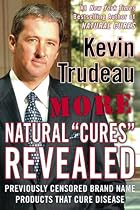 How come we are not hearing about the hundreds of thousands of people in China and India who are given herbs and using ayurvedic medicine, or herbal medicine, or traditional Chinese medicine and being cured of all their diseases without drugs or surgery of any kind? How come we are not hearing the stories of the millions of people throughout South America who are using plants and traditional Amazon medicine and curing their diseases without any pharmaceutical drugs or surgery? Again, there absolutely is a place for drugs and surgery. How come we are not hearing about the hundreds of thousands of people in China and India who are given herbs and using ayurvedic medicine, or herbal medicine, or traditional Chinese medicine and being cured of all their diseases without drugs or surgery of any kind? How come we are not hearing the stories of the millions of people throughout South America who are using plants and traditional Amazon medicine and curing their diseases without any pharmaceutical drugs or surgery? Again, there absolutely is a place for drugs and surgery. |
Leslie Taylor, ND
See book keywords and concepts |
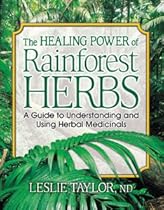 Velvet bean has a long history of use in Indian ayurvedic medicine, where it is used for worms, dysentery, diarrhea, snakebite, sexual debility, cough, tuberculosis, impotence, rheumatic disorders, muscular pain, sterility, gout, menstrual disorders, diabetes, and cancer. In India, it is considered an aphrodisiac, menstrual promoter, uterine stimulant, nerve tonic, diuretic, and blood purifier.
PLANT The seeds of velvet bean are high in protein, carbohydrates, lipids, fiber, and CHEMICALS minerals. They are also rich in novel alkaloids, saponins, and sterols. Velvet bean has a long history of use in Indian ayurvedic medicine, where it is used for worms, dysentery, diarrhea, snakebite, sexual debility, cough, tuberculosis, impotence, rheumatic disorders, muscular pain, sterility, gout, menstrual disorders, diabetes, and cancer. In India, it is considered an aphrodisiac, menstrual promoter, uterine stimulant, nerve tonic, diuretic, and blood purifier.
PLANT The seeds of velvet bean are high in protein, carbohydrates, lipids, fiber, and CHEMICALS minerals. They are also rich in novel alkaloids, saponins, and sterols. |
Jonathan V. Wright, M.D. and Alan R. Gaby, M.D.
See book keywords and concepts |
 Herbal Supplements
Ginger Root
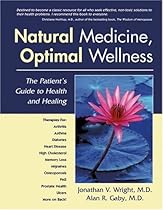
Ginger has been used for thousands of years in ayurvedic medicine and other systems of traditional medicine as an anti-inflammatory agent. In one study, 6 patients with RA consumed 5 grams of fresh ginger or 0.5 to 1 gram of powdered ginger daily. After 3 months, every patient reported pain relief, better joint mobility, and less swelling and morning stiffness, even though they had stopped taking their anti-inflammatory medications. No side effects were reported. Herbal Supplements
Ginger Root
Ginger has been used for thousands of years in ayurvedic medicine and other systems of traditional medicine as an anti-inflammatory agent. In one study, 6 patients with RA consumed 5 grams of fresh ginger or 0.5 to 1 gram of powdered ginger daily. After 3 months, every patient reported pain relief, better joint mobility, and less swelling and morning stiffness, even though they had stopped taking their anti-inflammatory medications. No side effects were reported. |
Alan R. Gaby, M.D., Jonathan V. Wright, M.D., Forrest Batz, Pharm.D. Rick Chester, RPh., N.D., DipLAc. George Constantine, R.Ph., Ph.D. Linnea D. Thompson, Pharm.D., N.D.
See book keywords and concepts |
 Herbs that may be helpful
Boswellia (page 644) is an herb used in ayurvedic medicine (the traditional medicine of India) to trear arthritis. Boswellia has reduced symptoms of RA in most reports.88 While some double-blind trials89 using boswellia have produced positive results, some equivocal results90 and negative findings have also been reported.91 In some trials where boswellia has appeared ineffective, though, patients have been allowed to continue use of nonsteroidal anti-inflammatory drugs (NSAIDs). Herbs that may be helpful
Boswellia (page 644) is an herb used in ayurvedic medicine (the traditional medicine of India) to trear arthritis. Boswellia has reduced symptoms of RA in most reports.88 While some double-blind trials89 using boswellia have produced positive results, some equivocal results90 and negative findings have also been reported.91 In some trials where boswellia has appeared ineffective, though, patients have been allowed to continue use of nonsteroidal anti-inflammatory drugs (NSAIDs). |
| An herbal formula from the ayurvedic medicine tradition, containing extracts of ashwagandha (page 629), asparagus, pueraria, argyreia, dioscorea, mucuna, and piper, has been studied as an aid to coping with the stress of military combat. A double-blind study found that soldiers performed similarly in a set of mental and psychological tests after an eight-day combat mission whether they were given two capsules daily (exact content not revealed) of this formula or a placebo.118 This suggests there was no real benefit of the herbal formula under these conditions. |
| Bacopa (page 632), a traditional herb used in ayurvedic medicine, has been shown to have antianxiety effects in animals.10 A preliminary study reported that a syrup containing an extract of dried bacopa herb reduced anxiety in people with anxiety neurosis.11 A double-blind trial in healthy adults found that 300 mg per day of a standardized bacopa extract reduced general feelings of anxiety, as assessed by a questionnaire.12
St. John's wort (page 747) has been reported in one double-blind study to reduce anxiety. |
| Acne vulgaris (page 6)
Atherosclerosis (page 38)
High cholesterol (page 223)
Osteoarthritis (page 328)
þftft
Obesity (page 446)
Historical or traditional use (may or may not be supported by scientific studies)
The classical treatise on ayurvedic medicine, Sushrita Samhita, describes the use of guggul for a wide variety of conditions, including rheumatism and obesity (page 446). One of its primary indications was a condition known as medoroga. This ancient diagnosis is similar to the modern description of atherosclerosis (page 38). |
Kaayla T. Daniel, PhD, CCN
See book keywords and concepts |
 Ignoring the wisdom of classic ayurvedic medicine, medical leaders in India have started warning Indians about the dangers of milk, claiming that 50 to 90 percent of Indians are lactose intolerant! "The time to find a healthy alternative to dairy is right now," says Neal Barnard, M.D., president of the Physicians Committee for Responsible Medicine (PCRM) in Washington, DC.
An avid proponent of vegan nutrition, Dr. Barnard warns that cow's milk contains many pesticide residues and that "Parents who unknowingly purchase chemical milk may be poisoning their children. Ignoring the wisdom of classic ayurvedic medicine, medical leaders in India have started warning Indians about the dangers of milk, claiming that 50 to 90 percent of Indians are lactose intolerant! "The time to find a healthy alternative to dairy is right now," says Neal Barnard, M.D., president of the Physicians Committee for Responsible Medicine (PCRM) in Washington, DC.
An avid proponent of vegan nutrition, Dr. Barnard warns that cow's milk contains many pesticide residues and that "Parents who unknowingly purchase chemical milk may be poisoning their children. |
Alan R. Gaby, M.D., Jonathan V. Wright, M.D., Forrest Batz, Pharm.D. Rick Chester, RPh., N.D., DipLAc. George Constantine, R.Ph., Ph.D. Linnea D. Thompson, Pharm.D., N.D.
See book keywords and concepts |
| Rating Health Concerns irk-& Immune function (page 255)
*ftft Osteoarthritis (page 328) Stress
Historical or traditional use (may or may not be supported by scientific studies)
The health applications for ashwagandha in traditional Indian and ayurvedic medicine are extensive. Of particular note is its use against tumors, inflammation (including arthritis), and a wide range of infectious diseases.1 The shoots and seeds are also used as food and to thicken milk in India. Traditional uses of ashwagandha among tribal peoples in Africa include fevers and inflammatory conditions. |
| Brahmi) has been used in ayurvedic medicine (the traditional medicine of India) as a diuretic and as a tonic for the nervous system and the heart. Specific uses include the treatment of asthma, insanity, and epilepsy.1
Active constituents
The leaves of bacopa contain saponins, including the bacosides,2'3' 4 which are thought responsible for the therapeutic properties of the herb. In animal studies, both purified bacosides and extracts of bacopa standardized for bacosides have been found to enhance several aspects of mental function and learning ability.5 |
The Editors of FC&A
See book keywords and concepts |
| This herb has long been used to treat arthritis, inflammation, and other illnesses in ayurvedic medicine, the ancient medical practice of India.
In animal studies, it has soothed swollen joints as well as ibuprofen and hydrocortisone. In a study at Southern California University, a 67-year-old woman with knee OA took 500 mg of guggul three times a day. After three months, she had less knee pain and more flexible joints.
Treating OA with guggul is still experimental in the Western world, so see your doctor before trying it yourself.
Cat's claw. |
Ralph W. Moss, Ph.D.
See book keywords and concepts |
 In the US, ayurvedic medicine has been adopted by followers of the Maharishi Mahesh Yoga, the well-known guru whose US operations are based in Fairfield, Iowa.
"Maharishi Ayur-Veda" is proposed as a combination of Indian traditions and Western science. Its most prominent advocate is a charismatic, Harvard-trained doctor named Deepak Chopra, MD, who has written several best-selling books on the topic. Chopra claims that ayurvedic medicine is the world's oldest medical tradition, but that it has particular relevance to modern times. In the US, ayurvedic medicine has been adopted by followers of the Maharishi Mahesh Yoga, the well-known guru whose US operations are based in Fairfield, Iowa.
"Maharishi Ayur-Veda" is proposed as a combination of Indian traditions and Western science. Its most prominent advocate is a charismatic, Harvard-trained doctor named Deepak Chopra, MD, who has written several best-selling books on the topic. Chopra claims that ayurvedic medicine is the world's oldest medical tradition, but that it has particular relevance to modern times. |
The Life Extension Editorial Staff
See book keywords and concepts |
 Ashwaganda has been used for many years to treat pain in ayurvedic medicine. One to two cups of tea made from ashwaganda have been shown to reduce pain and inflammation. In a double-blind, crossover study, 42 patients with osteoarthritis who were given an herbal formula with ashwaganda and zinc showed a significant improvement in pain and stiffness (Kulkami et al. 1991).
IShSUUIImI In large doses, ashwaganda can be harmful
Discuss the use of ashwaganda with your physician, and do not drink more than the recommended dose.
Capsaicin. Ashwaganda has been used for many years to treat pain in ayurvedic medicine. One to two cups of tea made from ashwaganda have been shown to reduce pain and inflammation. In a double-blind, crossover study, 42 patients with osteoarthritis who were given an herbal formula with ashwaganda and zinc showed a significant improvement in pain and stiffness (Kulkami et al. 1991).
IShSUUIImI In large doses, ashwaganda can be harmful
Discuss the use of ashwaganda with your physician, and do not drink more than the recommended dose.
Capsaicin. |
Earl Mindell
See book keywords and concepts |
 More than two thousand different preparations are used in ayurvedic medicine. Herbs are generally used only in combination with other herbs. In fact, Ayurvedic healers use the whole plant, as opposed to the Western concept of extracting the one or two active ingredients, because they believe that every chemical in a plant is designed to work in harmony with the body. ayurvedic medicine is designed to bolster and support all body systems. More than two thousand different preparations are used in ayurvedic medicine. Herbs are generally used only in combination with other herbs. In fact, Ayurvedic healers use the whole plant, as opposed to the Western concept of extracting the one or two active ingredients, because they believe that every chemical in a plant is designed to work in harmony with the body. ayurvedic medicine is designed to bolster and support all body systems. |
Ralph W. Moss, Ph.D.
See book keywords and concepts |
| In India today, ayurvedic medicine is said to be taught at 108 medical colleges and command the allegiance of over 300,000 doctors. In the US, ayurvedic medicine has been adopted by followers of the Maharishi Mahesh Yoga, the well-known guru whose US operations are based in Fairfield, Iowa.
"Maharishi Ayur-Veda" is proposed as a combination of Indian traditions and Western science. Its most prominent advocate is a charismatic, Harvard-trained doctor named Deepak Chopra, MD, who has written several best-selling books on the topic. |
Bruce Fife and Jon J. Kabara
See book keywords and concepts |
 The most well known of these is the ayurvedic medicine of India. Here coconut products enjoy a place of importance and are essential components of some of the medicinal preparations. Coconut oil is recognized for its healing properties in both Ayurvedic and Indian folkloric medicine to treat a variety of conditions such as burns, wounds, ulcers, skin fungus, lice, kidney stones, and choleraic dysentery.1,2
Modern medical science is just now beginning to unlock the healing secrets of coconut oil. Research is showing that coconut oil has many practical applications as a medicine. The most well known of these is the ayurvedic medicine of India. Here coconut products enjoy a place of importance and are essential components of some of the medicinal preparations. Coconut oil is recognized for its healing properties in both Ayurvedic and Indian folkloric medicine to treat a variety of conditions such as burns, wounds, ulcers, skin fungus, lice, kidney stones, and choleraic dysentery.1,2
Modern medical science is just now beginning to unlock the healing secrets of coconut oil. Research is showing that coconut oil has many practical applications as a medicine. |
Dr. Michael Heinrich, Joanne Barnes, Simon Gibbons and Elizabeth M. Williamson
See book keywords and concepts |
 Pharmacological effects and clinical efficacy
The plant is a 'rasayana' in Ayurvedic medicine; it enhances the immune system and is considered to have a rejuvenating, neurological 'tonic' and mild sedative effect. The immunomodulating effects of the herb have been shown in vitro and in vivo in mice. It is also used increasingly for its wound-healing properties and generally for skin disorders, including keloid and hypertrophic scars. The extract inhibits the growth of human fibroblasts in vitro but stimulates phagocytosis in mice, which supports the antiscarring benefits. Pharmacological effects and clinical efficacy
The plant is a 'rasayana' in Ayurvedic medicine; it enhances the immune system and is considered to have a rejuvenating, neurological 'tonic' and mild sedative effect. The immunomodulating effects of the herb have been shown in vitro and in vivo in mice. It is also used increasingly for its wound-healing properties and generally for skin disorders, including keloid and hypertrophic scars. The extract inhibits the growth of human fibroblasts in vitro but stimulates phagocytosis in mice, which supports the antiscarring benefits. |
Andrew Pengelly
See book keywords and concepts |
 Withania sotnniferutn (Solanaceae), known as ashwaganda in ayurvedic medicine, contains steroidal lactones called withanolides which exhibit antitumour and hepatoprotective activities.
• Recent experiments on stinging nettle root (Urtica dioica) demonstrate a potent inhibition of enzymes involved in benign prostatic hyperplasia. Steroidal compounds including stigmast-4-en-3-one are thought to be responsible for this activity (Hirano et al. 1994). Withania sotnniferutn (Solanaceae), known as ashwaganda in ayurvedic medicine, contains steroidal lactones called withanolides which exhibit antitumour and hepatoprotective activities.
• Recent experiments on stinging nettle root (Urtica dioica) demonstrate a potent inhibition of enzymes involved in benign prostatic hyperplasia. Steroidal compounds including stigmast-4-en-3-one are thought to be responsible for this activity (Hirano et al. 1994). |
C. P. Khare
See book keywords and concepts |
 In ayurvedic medicine, the Panchaagni or Panch-hutaashna group of herbs, when taken together, cures piles, deranged digestion and diseases of liver. The group contains Amorphophallus campanulatus, Marsdenia tenacissima (Muur-vaa), Emblica officinalis (Aamalaka), Plumbago zeylanica (Chitraka, syn. Dahana) and sea-salt (Saindhava). When taken in the form of linctus, this group also cures gout. In ayurvedic medicine, the Panchaagni or Panch-hutaashna group of herbs, when taken together, cures piles, deranged digestion and diseases of liver. The group contains Amorphophallus campanulatus, Marsdenia tenacissima (Muur-vaa), Emblica officinalis (Aamalaka), Plumbago zeylanica (Chitraka, syn. Dahana) and sea-salt (Saindhava). When taken in the form of linctus, this group also cures gout. |
Bill Gottlieb
See book keywords and concepts |
 Bachelor of ayurvedic medicine and Surgery)
Indian college degree equivalent to an M.D. but in Ayurvedic medicine; requires four years of graduate studies. There are no state-recognized certification exams or titles in the United States. Most Ayurvedic practitioners have either an N.D. or an M.D. degree and practice under that title.
CA. (Certified Acupuncturist)
Signifies board certification in acupuncture and licensure to practice granted by the state medical board.
C.A.M.T. (Certified Acupressure Massage Therapist)
Qualifications depend on the school from which the degree is received. Bachelor of ayurvedic medicine and Surgery)
Indian college degree equivalent to an M.D. but in Ayurvedic medicine; requires four years of graduate studies. There are no state-recognized certification exams or titles in the United States. Most Ayurvedic practitioners have either an N.D. or an M.D. degree and practice under that title.
CA. (Certified Acupuncturist)
Signifies board certification in acupuncture and licensure to practice granted by the state medical board.
C.A.M.T. (Certified Acupressure Massage Therapist)
Qualifications depend on the school from which the degree is received. |
Kevin Trudeau
See book keywords and concepts |
 Alexander Technique ayurvedic medicine www.alexandertech.com www.ayurveda.com
Alphabiotics www.alphabiotics.biz
Bioenergetic Bodywork www.bioenergetic-therapy.com
Biological Dentistry www.biologicaldentistry.org www.holisticdental.org www.nihadc.com
Bowen Therapy Technique www.bowendirectory.com www.boweninfo.com
Callahan Technique www.tftrx.com
Cancer www.centurywellness.com
Candida Cleansing www.lifeforceplan.com
Chelation Therapy www.abct.info www.acam.org www. century wellness, com
Chiropractic www.10ac.com www.amerchiro.org
International Chiropractors Association www. Alexander Technique ayurvedic medicine www.alexandertech.com www.ayurveda.com
Alphabiotics www.alphabiotics.biz
Bioenergetic Bodywork www.bioenergetic-therapy.com
Biological Dentistry www.biologicaldentistry.org www.holisticdental.org www.nihadc.com
Bowen Therapy Technique www.bowendirectory.com www.boweninfo.com
Callahan Technique www.tftrx.com
Cancer www.centurywellness.com
Candida Cleansing www.lifeforceplan.com
Chelation Therapy www.abct.info www.acam.org www. century wellness, com
Chiropractic www.10ac.com www.amerchiro.org
International Chiropractors Association www. |
| In ayurvedic medicine it is believed that there are cycles that are the most conducive for certain activities. Going to bed at 10:00 p.m. and arising at 6:00 a.m. appears to allow the body to rest the deepest, rejuvenate the most, and gives the person the most energy throughout the day. Hormones that heal the body are released only between 10:00 p.m. and 2:00 a.m., and are only released when the body is in deep sleep.
11. Take an afternoon fifteen-minute break. |
Andrew Pengelly
See book keywords and concepts |
| Both peppers are of major importance in ayurvedic medicine. Piperine has been shown to have hepatoprotective effects though is less potent than silymarin (Koul and Kapil 1993). The amide side chain imparts high lipophilic (fat-soluble) properties, ensuring the compound is readily absorbed in the small intestine. Piperine has also been shown to influence the bioavailability of other compounds, be they herbal or pharmaceutical. |
C. P. Khare
See book keywords and concepts |
| The paste of Khadira (Acacia catechu) and Dhava is used in ayurvedic medicine for curing skin diseases and erysipelas. Originally, this was recommended by Charaka.
Ashtaanga Hridaya recommends the heart-wood of Dhava as an aphrodisiac and rejuvenating tonic.
In Unani medicine, the decoction of the flowers is prescribed in spermatorrhoea. Water extract of 20 g flowers mixed with purified sugar is given as a styptic in bleeding piles. The ash of flowers, mixed with oil, is applied externally on burns. The gum, fried and processed in boiled sugar, is prescribed in leucorrhoea. |
Phyllis A. Balch, CNC
See book keywords and concepts |
 Picrorrhiza, an Indian herb used in ayurvedic medicine, is a powerful immunostimulant that boosts all aspects of immune function.
In addition to individual herbs that aid immunity, there are a number of combination herbal supplement products that may be beneficial. Esberitox from Enzymatic Therapy is one. ImmunoCare from Himalaya USA is an Ayurvedic remedy containing herbs that may protect white blood cells.
Nutrients Vital to Immune Health
Even the best regimen of food and herbs may not be able to bolster a failing immune system that is under attack. Picrorrhiza, an Indian herb used in ayurvedic medicine, is a powerful immunostimulant that boosts all aspects of immune function.
In addition to individual herbs that aid immunity, there are a number of combination herbal supplement products that may be beneficial. Esberitox from Enzymatic Therapy is one. ImmunoCare from Himalaya USA is an Ayurvedic remedy containing herbs that may protect white blood cells.
Nutrients Vital to Immune Health
Even the best regimen of food and herbs may not be able to bolster a failing immune system that is under attack. |
Bruce Fife and Jon J. Kabara
See book keywords and concepts |
| For example, in India it is an important ingredient in some of the Ayurvedic medical formulations. ayurvedic medicine has been practiced in India for thousands of years and is still used as the primary form of medical treatment by millions of people. In the Central American country of Panama, people are known to drink coconut oil by the glass to help them overcome sickness. They have learned over the generations that consuming coconut oil speeds recovery from illness. In Jamaica coconut is considered a health tonic good for the heart. |









 Email this page to a friend