C. P. Khare
See book keywords and concepts |
 The irritant property of the nettle is used externally to excite activity in paralysed limbs by slapping or pricking the patient with a bundle of fresh twigs.
Active principles and pharmacology
The urticating properties of the hair are attributed to the presence of acetylcholine, histamine and 5-hydroxytryptamine which are highly concentrated in stings. A histamine-liberating enzyme is also present in the hair (not present in underground parts).
Betaine and choline are reported from leaves.
Plant is rich in vitamins and carotenes. The irritant property of the nettle is used externally to excite activity in paralysed limbs by slapping or pricking the patient with a bundle of fresh twigs.
Active principles and pharmacology
The urticating properties of the hair are attributed to the presence of acetylcholine, histamine and 5-hydroxytryptamine which are highly concentrated in stings. A histamine-liberating enzyme is also present in the hair (not present in underground parts).
Betaine and choline are reported from leaves.
Plant is rich in vitamins and carotenes. |
Dr. Michael Heinrich, Joanne Barnes, Simon Gibbons and Elizabeth M. Williamson
See book keywords and concepts |
 Pharmacological effects and clinical efficacy
Traditionally used for micturition problems and now for benign prostatic hyperplasia, often in combination with nettle, and prostatitis (Bombardelli et al 1997). Pygeum extract antagonized testosterone in the prostate and seminal vesicles of the rat and inhibited leukotriene synthesis, suggesting a role in the prevention of inflammatory cells from infiltrating the prostate (Cristoni et al 2000, Paubert-Braquet M et al 1994). Pharmacological effects and clinical efficacy
Traditionally used for micturition problems and now for benign prostatic hyperplasia, often in combination with nettle, and prostatitis (Bombardelli et al 1997). Pygeum extract antagonized testosterone in the prostate and seminal vesicles of the rat and inhibited leukotriene synthesis, suggesting a role in the prevention of inflammatory cells from infiltrating the prostate (Cristoni et al 2000, Paubert-Braquet M et al 1994). |
Josef A. Brinckmann and Michael P. Lindenmaier
See book keywords and concepts |
 On the contrary, the fresh herb is highly valued in naturopathic medicine as a "spring cure" as well as a "blood purifying" remedy, mixed with fresh nettle herb and dandelion herb, in the form of a wild salad. There is evidence of antimutagenic effects from watercress herb (derived from knowledge of the antimutagenic potential of food plants commonly eaten by Polynesian peoples) [6].
Side effects: Due to its mustard-oil-gly-cosides content, watercress herb should not be taken long-term or in large quantities, otherwise irritation of the gastric mucosa may develop.
Making the tea: Not common. On the contrary, the fresh herb is highly valued in naturopathic medicine as a "spring cure" as well as a "blood purifying" remedy, mixed with fresh nettle herb and dandelion herb, in the form of a wild salad. There is evidence of antimutagenic effects from watercress herb (derived from knowledge of the antimutagenic potential of food plants commonly eaten by Polynesian peoples) [6].
Side effects: Due to its mustard-oil-gly-cosides content, watercress herb should not be taken long-term or in large quantities, otherwise irritation of the gastric mucosa may develop.
Making the tea: Not common. |
Dr. Michael Heinrich, Joanne Barnes, Simon Gibbons and Elizabeth M. Williamson
See book keywords and concepts |
| Therefore, from an anthroposophic perspective, nettle leaves are deemed to have medicinal properties. However, sometimes, the whole plant, or a part of the plant other than the disproportionately sized part would be used therapeutically. In addition, in anthroposophic medicine, it is believed that the specific part of a medicinal plant relates to one of the three different 'systems' of the body (see above): roots relate to the 'sense-nervous system', flowers and fruit relate to the 'reproductive-metabolic system' and leaves act on the 'rhythmic system'. |
John Heinerman
See book keywords and concepts |
 THERAPEUTIC BENEFITS
Edith Yancey of Twin Falls, Idaho submitted this story to me awhile back concerning the use of nettle juice for first aid purposes:
"My husband is a scoutmaster. He took his troop of boys on an extended hike into the mountains. One of them slipped and fell and cut himself pretty badly on a sharp rock. A tourniquet was applied to slow the bleeding.
"Being something of a plant expert himself, he decided to hunt around for some stinging nettle, knowing that it would help with the wound. THERAPEUTIC BENEFITS
Edith Yancey of Twin Falls, Idaho submitted this story to me awhile back concerning the use of nettle juice for first aid purposes:
"My husband is a scoutmaster. He took his troop of boys on an extended hike into the mountains. One of them slipped and fell and cut himself pretty badly on a sharp rock. A tourniquet was applied to slow the bleeding.
"Being something of a plant expert himself, he decided to hunt around for some stinging nettle, knowing that it would help with the wound. |
Dr. Michael Heinrich, Joanne Barnes, Simon Gibbons and Elizabeth M. Williamson
See book keywords and concepts |
| Constituents
The phytochemistry of nettle is well documented, although it is not clear precisely which constituents are responsible for the documented activities. Lignans present in the root, including pinoresinol. sccoisolaricircsinol, dehydrodiconiferyl alcohol, neo-olivil, and others may be important in inhibiting the interaction between sex hormone-binding globulin and 5oc-testosterone, a pathway which plays a role in the development of BPH. |
| H
The plant and the drugs
Urtica dioica (Urticaceae) is commonly known as stinging nettle or simply urtica. Traditionally, it has been used to treat a disparate range of conditions, including uterine haemorrhage, epistaxis, cutaneous eruptions and nervous and infantile eczema, which have little relation to its modern pharmaceutical uses. It has also been used as supportive therapy in rheumatic ailments. The plant grows to around 60-120 cm in height and has serrated leaves with stinging hairs and bristles. The herb and the roots are the parts used pharmaceutically. |
Josef A. Brinckmann and Michael P. Lindenmaier
See book keywords and concepts |
| Tea preparations: The drug is offered as an herbal tea specialty in loose pack and also in filter tea bags. nettle is a component in numerous herbal tea formulas, especially in bladder and kidney teas (e.g. Sidroga® Bladder and Kidney Tea) as well as rheuma teas (e.g. Abts-winder Rheuma Heilkriiutertee; Flora Rheumadix Tea) and various women's teas (e.g. Weleda Nursing Tea; Pregnancy Tea®).
Phytomedicines: Monopreparations, in the form of liquid solutions, contain the pressed juice or a fluidextract, mostly 1:1, average daily dose 5 ml, b.i.d. |
| Side effects: Occasionally (rare), after drinking nettle tea, allergies (skin affections, edema, oliguria, gastric irritation) have been observed.
Making the tea: Place 1.5 g of finely cut dried herb into cold water in a pot. Heat and decoct briefly. Or pour boiling water direcdy over the dried herb and strain after 10 min. As a diuretic, drink one cup of tea several times daily. 1 teaspoon = about 0.8 g, 1 tablespoon = about 2.2 g.
Tea preparations: The drug is offered as an herbal tea specialty in loose pack and also in filter tea bags. |
| In folk medicine, nettle herb is used in numerous ways as a tea or as fresh pressed plant juice [8]. Taken internally as a "blood building" tonic, as a diuretic for arthritis, for rheumatism of the joints and muscles, for "increasing enzyme production" of the pancreas, to promote wound healing, for biliary disorders, externally for treating seborrhea of the scalp and hair and against overly greasy hair. Other folk medicinal uses can be found in lit. [10]. |
| Mode of administration
Cut dried herb for tea infusions as well as other galenical preparations for internal use; as spirit of nettle for external application.
Warning
In irrigation therapy, make sure that abundant fluids are taken.
25|jm
Fig. 4: Typical stinging hairs, from Urtica dioica. Fig. 5: Undamaged, swollen tip of the stinging hair. of commerce is wild collected in central and eastern Europe (e.g. Bulgaria). Some of the supply in North America is cultivated in the Pacific Northwest. |
Dr. Michael Heinrich, Joanne Barnes, Simon Gibbons and Elizabeth M. Williamson
See book keywords and concepts |
| However, the benefits of nettle leaf or herb as monotherapy or supportive treatment in arthritis and rheumatism are still to be established using controlled clinical trials.
Saw palmetto, Serenoa serrulata Hook* f« IH
The plant and the drug
Serenoa serrulata (Arecaceae) is also known as Serenoa repens and Sabal serrulata, as well as the common name 'saw palmetto'. Saw palmetto is a small 'fan palm', which produces berries with a diameter of 1-2 cm. The fruit (berries) is the part used pharmaceutically. |
Gary Null
See book keywords and concepts |
| High levels of estrogen may cause benign prostatic hypertrophy (enlargement of the prostate), although we can note that nettle root extract blocks the binding of growth-stimulating estrogen to prostate cells.
When there is not enough free testosterone available, estrogen attaches to testosterone cell receptor sites throughout the body and creates many difficulties for aging men. As a regulator in youth, small amounts of estrogen turn off the powerful cell-stimulating effects of testosterone. |
Frantisek Stary
See book keywords and concepts |
 Stinging nettle and Small Nettle
Urtica dioica l., Urtica urens l.
These two species of the genus Urtica are nowadays common weeds the world over, though they are native to Eurasia and Africa. Elsewhere, mainly in North and South America and Australia, they have become naturalized. The leaves and stems together with the leaves of both are used medicinally and contain practically the same constituents: a large amount of chlorophyll, vitamins A, b2, C, E, and Ki, folic acid, histamine, acetylcholine, formic acid, acetic acid, and butyric acid, and fairly abundant mineral substances. Stinging nettle and Small Nettle
Urtica dioica l., Urtica urens l.
These two species of the genus Urtica are nowadays common weeds the world over, though they are native to Eurasia and Africa. Elsewhere, mainly in North and South America and Australia, they have become naturalized. The leaves and stems together with the leaves of both are used medicinally and contain practically the same constituents: a large amount of chlorophyll, vitamins A, b2, C, E, and Ki, folic acid, histamine, acetylcholine, formic acid, acetic acid, and butyric acid, and fairly abundant mineral substances. |
| Small nettle (2) is a much smaller annual herb reaching a height of only forty centimetres, in other words half the size of Stinging nettle. Its sting, however, is sharper. The stems are soft, the leaves measuring two by three centimetres. The whole plant is covered only with stinging hairs. The flowers are unisexual, the plants self-pollinating, with more flowers in the female clusters than in the male clusters. Both flowers and achenes are coloured pale green.
Common Bilberry, Whortleberry, Blueberry
Vaccinium myrtillus l. Ericaceae
The genus Vaccinium comprises a great many species ? |
Barrie R Cassileth, Ph.D.
See book keywords and concepts |
 Nettle A tea made from the nettle root is an effective treatment for urinary difficulties related to benign prostatic hyperplasia (BPH), or enlarged prostate. It has minimal side effects. Dried leaves are often used as a diuretic to increase the flow of urine.
Oak bark Oak bark contains chemicals that work well as skin astringents and help heal rashes. Boil 2 teaspoons of powdered dried bark in a pint of water. Strain, cool, and apply to skin.
Parsley To freshen breath, chew fresh parsley. Nettle A tea made from the nettle root is an effective treatment for urinary difficulties related to benign prostatic hyperplasia (BPH), or enlarged prostate. It has minimal side effects. Dried leaves are often used as a diuretic to increase the flow of urine.
Oak bark Oak bark contains chemicals that work well as skin astringents and help heal rashes. Boil 2 teaspoons of powdered dried bark in a pint of water. Strain, cool, and apply to skin.
Parsley To freshen breath, chew fresh parsley. |
Michael Janson, M.D.
See book keywords and concepts |
 One of them is Pygeum africanum, and the other is Urtica dioica (stinging nettle). These appear to reduce the irritation and sensitivity of the bladder and urethra, reducing the symptoms of frequency and urgency. The typical dose is 25 mg of Pygeum and 125 mg of stinging nettle, each taken twice per day.
Echinacea
These two herbal species, both Echinacea angustifolia and Echinacea purpurea, are commonly used for enhancement of the immune system. They contain echinacosides and sesquiterpenes, which enhance white blood cell activity and increase interferon production. One of them is Pygeum africanum, and the other is Urtica dioica (stinging nettle). These appear to reduce the irritation and sensitivity of the bladder and urethra, reducing the symptoms of frequency and urgency. The typical dose is 25 mg of Pygeum and 125 mg of stinging nettle, each taken twice per day.
Echinacea
These two herbal species, both Echinacea angustifolia and Echinacea purpurea, are commonly used for enhancement of the immune system. They contain echinacosides and sesquiterpenes, which enhance white blood cell activity and increase interferon production. |
| Recent studies have incorporated nettle into regimens for treatment of prostate enlargement, not because it shrinks the prostate, but because it relieves the urethral and bladder irritation that increase urgency and frequency.
How to take
The amount of nettle used for prostate enlargement ranges from 250 to 750 mg per day. Similar doses have helped patients with allergies, usually in divided doses, taken as needed for hay fever when the symptoms occur.
Feverfew
Feverfew has a long history of use for the treatment of fevers, headaches and joint inflammation. |
Lesley Tierra
See book keywords and concepts |
 Use caution if you decide to try it: massive exposure to nettle plants has caused severe symptoms of shock in animals. If you don't need or desire arthritis therapy, then be sure to wear gloves when picking the leaves! Made into a tea or cooked, die prickles "wilt," and then the leaves can safely be eaten as a delicious and nutritious green, especially in spring.
Nettle tea is taken warm for mucus conditions of the lungs, including asthma and excessive mucus discharge from the colon. It also helps skin complaints such as eczema and skin eruptions and stops bleeding and hemorrhage. Use caution if you decide to try it: massive exposure to nettle plants has caused severe symptoms of shock in animals. If you don't need or desire arthritis therapy, then be sure to wear gloves when picking the leaves! Made into a tea or cooked, die prickles "wilt," and then the leaves can safely be eaten as a delicious and nutritious green, especially in spring.
Nettle tea is taken warm for mucus conditions of the lungs, including asthma and excessive mucus discharge from the colon. It also helps skin complaints such as eczema and skin eruptions and stops bleeding and hemorrhage. |
John Heinerman
See book keywords and concepts |
| METHOD OF PREPARATION
Pick and wash nettle leaves with gloved hands. Then juice in the same way as you would for spinach, romaine lettuce, or similar leafy greens. If intended for internal purposes, only a small amount (about one-half cup) of nettle juice needs to be consumed at one time. When external applications are desired, soak clean cloth or double-layered gauze material in the fresh juice, gently squeeze out excess liquid, and put directly on the surface of the skin. |
Ben Davis
See book keywords and concepts |
| Common nettle......3 grams
Blind nettle.........3 grams
Mallow flowers......3 grams
Violet leaves........3 grams
St John's Wort......3 grams
Watercress..........3 grams
Angelica root
Fennel.......
Eyebright—
Briar hips..........3 grams
Oat-straw...........7 grams
Rue................3 grams
Magnolia root.......3 grams
Silver weed.........3 grams
Mullein flowers.....3 grams
Elder...............3 grams
Lime-tree blossoms.. 3 grams
Speedwell...........3 grams
Valerian............3 grams
Peppermint.........2 grams
Mullein herb........4 grams
Lime-tree blossom... |
John Heinerman
See book keywords and concepts |
| It has the great advantage of being well tolerated and completely safe, as distinct from the thiazides that are so widely used. nettle juice can fill a gap in those situations, because it can be given well before the need arises for one of the very powerful synthetic diuretics. The same applies to other indications such as venous insufficiency, and also with edema of other origin, i.e., chronic swelling following traumatic injuries." (None of my readers may know this, but I speak and write German.)
METHOD OF PREPARATION
Pick and wash nettle leaves with gloved hands. |
Gary Null
See book keywords and concepts |
| Concentrated nettle root can be useful in increasing levels of free testosterone. The testes produce about 90 percent of testosterone; the adrenal glands produce the remainder. Testosterone functions as an aphrodisiac hormone in brain cells, and as an anabolic hormone in developing bone and skeletal muscle. Testosterone that becomes bound to serum globulin is not available to cell receptor sites and fails to stimulate libido. It is, therefore, necessary to increase free testosterone levels to ignite sexual arousal in the brain. |
| Herbs that are valuable sources of calcium and vitamin C are nettle, dandelion, and horsetail. Also, alpha-lipoic acid at 300 to 400 mg and N-acetyl-cysteine are valuable because they contribute greatly to building a strong immune system.
To balance our hormones, DHEA, at about 25 mg, is crucial because this master hormone diminishes in the later years of life. For women, synthetic hormones have been widely prescribed; however, natural progesterone, often obtained from wild yams, is preferable. |
| Both vitamin K and DHEA suppress interleukin-6, which helps explain why these supplements have been shown to protect against such a wide range of age-related diseases. nettle leaf extract appears to be the most effective dietary supplement for suppressing the dangerous tumor necrosis factor alpha and interleukin-lb cytokines.
Protecting Against Fibrinogen-lnduced Heart Attack
Agents that inhibit platelet aggregation (thin the blood) reduce the risk that fibrinogen will cause an abnormal arterial blood clot. |
| Supplements such as DHEA, vitamin K, nettle leaf extract, and highly concentrated DHA fish oil can help suppress these dangerous inflammatory cytokines that can cause C-reactive protein elevation.
Lowering Your Stroke Profile
Doctors have been concentrating for the past fifty years on controlling blood pressure as the primary method of preventing stroke. Prevention of even borderline hypertension is critical in reducing stroke risk, but there are also factors in the blood that can be tested to further determine your risk of having a stroke. |
| Increases in TNF-a play a role in catabolic wasting seen in cancer and advanced aging. nettle leaf extract has been shown to inhibit TNF-a at 1,000 mg.5
Many scientific studies show that acetyl-L-carnitine and alpha-lipoic acid promote youthful cellular levels of glutathione, sustain mitochondrial energy production, and protect against immune dysfunction.6 Acetyl-L-carnitine and alpha-lipoic acid work with coenzyme Q10 to maintain healthy energy levels. |
John Heinerman
See book keywords and concepts |
| Recent medical data has made us more cautious in the use of digitalis (foxglove) for decompensated heart conditions, and in mild to medium-severe cases one will first try to manage with gentle diuretic therapy. Here nettle juice is definitely useful. It has the great advantage of being well tolerated and completely safe, as distinct from the thiazides that are so widely used. nettle juice can fill a gap in those situations, because it can be given well before the need arises for one of the very powerful synthetic diuretics. |
C. P. Khare
See book keywords and concepts |
| Sarsaparilla is also an ingredient in a number of remedies and supplements—Sarsaparilla Complex, Echinacea Complex, Blue Flag Root, Seaweed and Sarsaparilla Tablets, Burdock and nettle Formula, Clear Complexion Tablet, Skin Eruption Mixture.
A number of Smilax spp., originating in Central and South America, are used medicinally— Smilax regelii, Smilax febrifuga, as well as the Mexican variety; as cleansing, antiseptic and antiinflammatory drugs, helpful for irritant and chronic skin problems, including psoriasis. (Efficacy in psoriasis has not been documented. |
Mark Bricklin
See book keywords and concepts |
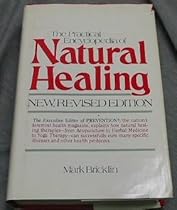 Or, she says, there is an herbal alternative: Make a nettle solution by steeping one-quarter cup of dried nettles in one cup of boiling water. Cool, and add one-quarter cup of cider vinegar and massage this into your scalp twice a day.
Apple cider vinegar used as a rinse is an old-time folk remedy to cure dandruff. Warm it first, pour it on, and wrap a towel around the head. Let it "set" for about an hour before washing.
Some of our dandruff-prone readers have treated their condition successfully with vitamin E, used on the scalp like a hair tonic. Or, she says, there is an herbal alternative: Make a nettle solution by steeping one-quarter cup of dried nettles in one cup of boiling water. Cool, and add one-quarter cup of cider vinegar and massage this into your scalp twice a day.
Apple cider vinegar used as a rinse is an old-time folk remedy to cure dandruff. Warm it first, pour it on, and wrap a towel around the head. Let it "set" for about an hour before washing.
Some of our dandruff-prone readers have treated their condition successfully with vitamin E, used on the scalp like a hair tonic. |









 Email this page to a friend